
Listed on 
 Years active
 English (Arabic)
 Chinese Simplified - 中文 (简体)
 Chinese Traditional - 中文 (繁體)
 English
 Japanese - 日本語
 Korean - 한국어 (대한민국)
 Portuguese - Português
 Russian - Русский
 Spanish - Español
 Thai - ไทย
 English (India)
Don't have an account?
Register via AppHave an account?
Login 04/06/2026 - 06:47 UTC
The US Dollar Index (DXY) recently experienced subdued trading near the 99.07 mark, reflecting market caution ahead of the April US JOLTS Job Openings data. Investors anticipate that the report will show a minor decline to 6.82 million open positions compared to March's figures. However, the overall impact on the Federal Reserve's monetary policy trajectory is projected to be minimal, as central bank officials remain primarily focused on persistent inflation rather than labor market fluctuations. On Wednesday, the Greenback showed a modest upward movement, with the USDX closing higher by 0.34%.
Gold prices have faced downward pressure, tumbling toward the $4,450 level during recent trading sessions. This decline is largely driven by stronger-than-expected US labor indicators, including the ADP private payrolls, which have reinforced expectations that the Federal Reserve will maintain elevated interest rates for a longer period. Higher yields and a firm dollar continue to diminish the appeal of non-yielding bullion, with market participants even pricing in a potential rate hike later in the year due to ongoing inflation worries. Reflecting this bearish sentiment, gold prices fell by 0.39% on Wednesday.
West Texas Intermediate (WTI) crude oil slipped below the $93.00 threshold, trading around $92.70 per barrel after a multi-day rally. The downward movement was triggered by an Israel-Lebanon ceasefire agreement, which eased global supply anxieties by raising hopes for a broader diplomatic resolution. Despite a massive draw in US crude stockpiles reported by the EIA—which plummeted by 8 million barrels and doubled market expectations—geopolitical friction and potential threats to the ceasefire kept the energy market on edge. Boosted by the significant inventory drawdown, crude oil managed a gain of 0.97% on Wednesday.
Asian equity markets fell on Thursday as a sharp pullback in technology and semiconductor shares collided with global risk aversion. Following a negative lead-in from Wall Street, investors locked in profits amid ongoing doubts over a U.S.-Iran peace deal. U.S. equity futures also pointed lower, dragged down by a steep after-hours decline in Broadcom after the chip designer reported mixed quarterly revenue and left its artificial intelligence sales guidance unchanged.
In Japan, the Nikkei and TOPIX indices retreated, rattled by hawkish undertones from Bank of Japan Governor Kazuo Ueda regarding potential interest rate hikes to combat energy-driven inflation. South Korea's KOSPI also emerged as a major underperformer as semiconductor heavyweights gave up recent record highs, while Australian and Singaporean benchmarks slipped in tandem.
In contrast to the broader regional decline and losses in Hong Kong, mainland Chinese benchmarks showed notable resilience. Steeper losses in China were effectively capped by a rally in domestic semiconductor manufacturers, fueled by local optimism regarding independent artificial intelligence advancements and anticipation of an upcoming major index reshuffling.
Looking ahead to the upcoming sessions, investors are focusing on a heavy mix of corporate earnings and critical macroeconomic catalysts to dictate global market direction. On the corporate front, the retail sector takes center stage as Lululemon Athletica prepares to report its first-quarter financial results after the closing bell on Thursday, June 4, with market participants highly sensitive to its North American sales and inventory guidance. Simultaneously, monetary policy expectations will be tested by high-impact central bank commentary, beginning with a scheduled speech by Bank of England Governor Andrew Bailey on Thursday evening. The ultimate narrative for the week, however, will be driven by Friday's highly anticipated US employment report. Traders will closely parse the data for signals on economic resilience and interest rate timelines, specifically weighing the forecasts for Average Hourly Earnings (expected at 0.3%), the Unemployment Rate (projected to hold steady at 4.3%), and the Non-Farm Employment Change, which is expected to add 85K jobs following the previous month's 115K expansion.
The US Dollar Index (DXY) recently experienced subdued trading near the 99.07 mark, reflecting market caution ahead of the April US JOLTS Job Openings data. Investors anticipate that the report will show a minor decline to 6.82 million open positions compared to March's figures. However, the overall impact on the Federal Reserve's monetary policy trajectory is projected to be minimal, as central bank officials remain primarily focused on persistent inflation rather than labor market fluctuations. On Wednesday, the Greenback showed a modest upward movement, with the USDX closing higher by 0.34%.
Gold prices have faced downward pressure, tumbling toward the $4,450 level during recent trading sessions. This decline is largely driven by stronger-than-expected US labor indicators, including the ADP private payrolls, which have reinforced expectations that the Federal Reserve will maintain elevated interest rates for a longer period. Higher yields and a firm dollar continue to diminish the appeal of non-yielding bullion, with market participants even pricing in a potential rate hike later in the year due to ongoing inflation worries. Reflecting this bearish sentiment, gold prices fell by 0.39% on Wednesday.
West Texas Intermediate (WTI) crude oil slipped below the $93.00 threshold, trading around $92.70 per barrel after a multi-day rally. The downward movement was triggered by an Israel-Lebanon ceasefire agreement, which eased global supply anxieties by raising hopes for a broader diplomatic resolution. Despite a massive draw in US crude stockpiles reported by the EIA—which plummeted by 8 million barrels and doubled market expectations—geopolitical friction and potential threats to the ceasefire kept the energy market on edge. Boosted by the significant inventory drawdown, crude oil managed a gain of 0.97% on Wednesday.
Asian equity markets fell on Thursday as a sharp pullback in technology and semiconductor shares collided with global risk aversion. Following a negative lead-in from Wall Street, investors locked in profits amid ongoing doubts over a U.S.-Iran peace deal. U.S. equity futures also pointed lower, dragged down by a steep after-hours decline in Broadcom after the chip designer reported mixed quarterly revenue and left its artificial intelligence sales guidance unchanged.
In Japan, the Nikkei and TOPIX indices retreated, rattled by hawkish undertones from Bank of Japan Governor Kazuo Ueda regarding potential interest rate hikes to combat energy-driven inflation. South Korea's KOSPI also emerged as a major underperformer as semiconductor heavyweights gave up recent record highs, while Australian and Singaporean benchmarks slipped in tandem.
In contrast to the broader regional decline and losses in Hong Kong, mainland Chinese benchmarks showed notable resilience. Steeper losses in China were effectively capped by a rally in domestic semiconductor manufacturers, fueled by local optimism regarding independent artificial intelligence advancements and anticipation of an upcoming major index reshuffling.
Looking ahead to the upcoming sessions, investors are focusing on a heavy mix of corporate earnings and critical macroeconomic catalysts to dictate global market direction. On the corporate front, the retail sector takes center stage as Lululemon Athletica prepares to report its first-quarter financial results after the closing bell on Thursday, June 4, with market participants highly sensitive to its North American sales and inventory guidance. Simultaneously, monetary policy expectations will be tested by high-impact central bank commentary, beginning with a scheduled speech by Bank of England Governor Andrew Bailey on Thursday evening. The ultimate narrative for the week, however, will be driven by Friday's highly anticipated US employment report. Traders will closely parse the data for signals on economic resilience and interest rate timelines, specifically weighing the forecasts for Average Hourly Earnings (expected at 0.3%), the Unemployment Rate (projected to hold steady at 4.3%), and the Non-Farm Employment Change, which is expected to add 85K jobs following the previous month's 115K expansion.
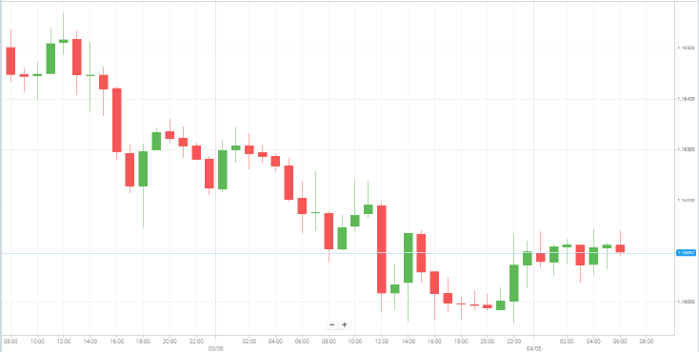
Gold prices posted a modest recovery during Thursday’s Asian session after falling to a one-week low, though the rebound lacked strong momentum as investors remained cautious. The precious metal drew support from a softer US Dollar following the announcement of a ceasefire between Israel and Lebanon, which reduced demand for traditional safe-haven assets.
The ceasefire agreement, reached through US-led negotiations, has improved market sentiment and encouraged some profit-taking in the Dollar after its recent advance. Additional support came from signs of political resistance in Washington to further military escalation with Iran, raising hopes that a broader regional conflict may be avoided.
However, ongoing uncertainty surrounding US-Iran negotiations continues to limit optimism. Reports indicate that diplomatic talks have stalled over disagreements regarding sanctions relief and nuclear-related concessions, while both sides remain firm on their respective demands. As a result, geopolitical risks remain elevated, helping to preserve underlying demand for the US Dollar and preventing a stronger rally in gold.
At the same time, persistent strength in oil prices has renewed inflation concerns, reinforcing expectations that the Federal Reserve may maintain a restrictive monetary policy stance for longer.
These competing forces leave gold caught between safe-haven demand and higher interest rate expectations, making sustained upside difficult in the near term. Traders are now awaiting US Weekly Jobless Claims data and remarks from Federal Open Market Committee (FOMC) officials for fresh direction.
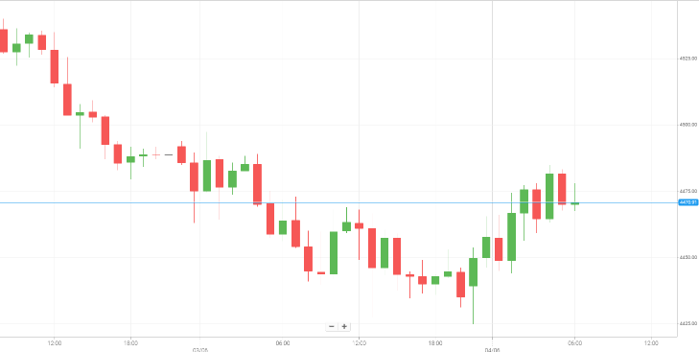
Oil prices edged lower during Thursday’s Asian session, snapping a three-day winning streak as investors booked profits following a strong rally. Despite the pullback, crude markets remained supported by ongoing geopolitical tensions in the Middle East and signs of tightening supply conditions in the United States.
Market attention remains firmly focused on escalating tensions involving the United States and Iran, which continue to underpin a significant geopolitical risk premium in oil prices. Recent developments have included reported Iranian missile attacks targeting Kuwait and Bahrain, as well as US military strikes on Iran’s Qeshm Island near the strategically important Strait of Hormuz. At the same time, Israeli military operations against Hezbollah positions in southern Lebanon have added to regional uncertainty.
Some concerns were eased after Israel and Lebanon agreed to implement a ceasefire following US-led diplomatic efforts. The agreement, however, remains conditional on Hezbollah halting its military activities, leaving questions over its long-term durability. Meanwhile, negotiations between Washington and Tehran have shown limited progress, raising fears that tensions could persist and potentially threaten regional energy supplies.
Investor sentiment received a modest boost after US President Donald Trump indicated that Iran had agreed not to pursue nuclear weapons, fueling hopes that a diplomatic solution may still be achievable.
While geopolitical uncertainty remains a key driver of prices, support also came from stronger-than-expected US inventory data. According to the Energy Information Administration (EIA), US crude stockpiles declined by 8 million barrels in the latest reporting week, far exceeding market expectations for a draw of approximately 3 million barrels.
The sharp inventory decline suggests robust demand and tightening market conditions. In addition, US crude exports climbed to 5.9 million barrels per day, one of the highest levels on record, as buyers in Europe and Asia sought alternative supplies amid ongoing Middle East disruptions.
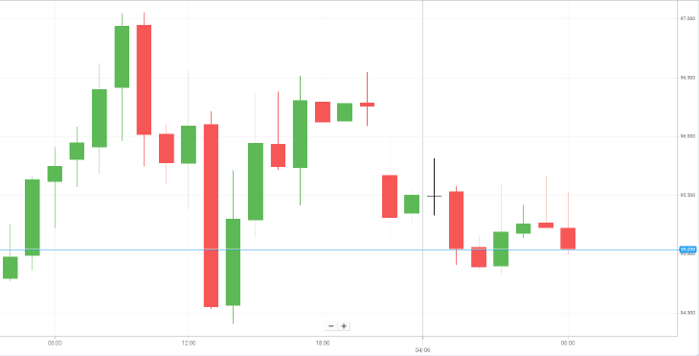
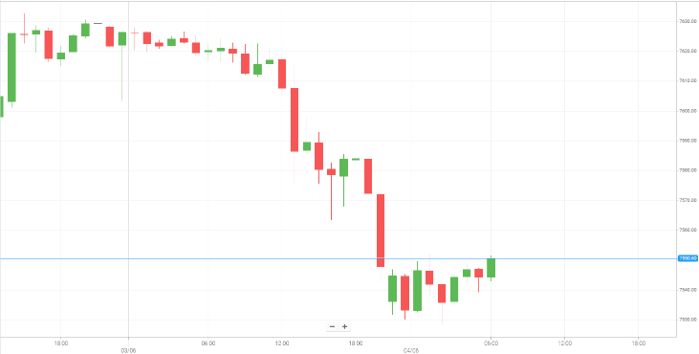
Wall Street ended lower on Wednesday, snapping a nine-session winning streak as investors took profits in technology stocks and monitored escalating tensions in the Middle East. Rising uncertainty surrounding US-Iran negotiations weighed on sentiment, while higher oil prices revived concerns about inflation and interest rates.
After leading the market higher for weeks, large-cap technology and AI-related stocks faced profit-taking pressure, while investors rotated into energy and defensive sectors. The market remains supported by resilient corporate earnings and solid economic data, though elevated valuations in growth sectors may contribute to increased volatility in the near term.
Investor attention remained focused on growing tensions between the United States and Iran. Recent military exchanges, including reported attacks involving US and Iranian forces in the Gulf region, have raised doubts about the prospects for a near-term peace agreement.
The technology sector underperformed after several days of strong gains, though enthusiasm surrounding artificial intelligence remained intact. Cybersecurity company Palo Alto Networks fell despite delivering stronger-than-expected quarterly results, illustrating the market’s increasingly high expectations for growth companies.
On the economic front, fresh labor market data pointed to continued strength in the US economy. Private-sector hiring accelerated in May, suggesting employment conditions remain healthy despite concerns about slowing growth earlier in the year.
The data increased investor focus on Friday’s Nonfarm Payrolls report, which is expected to provide a clearer picture of labor market conditions and influence expectations for future Federal Reserve policy decisions.
Among individual stocks, Broadcom slipped ahead of its quarterly earnings release, while GameStop rallied after reporting higher revenue and announcing a new share buyback program.
The materials contained on this document should not in any way be construed, either explicitly or implicitly, directly or indirectly, as investment advice, recommendation or suggestion of an investment strategy with respect to a financial instrument, in any manner whatsoever. Any indication of past performance or simulated past performance included in this document is not a reliable indicator of future results. For the full disclaimer click here.
Join iFOREX to get an education package and start taking advantage of market opportunities.
 A beginner's e-book
 $5,000 practice demo account
 A 12-part video course
 Trusted partner
 Featured partner
 By
By 


